The TP-Link USB Bluetooth Adapter review centers on a straightforward way to add Bluetooth connectivity to a Windows desktop or laptop, with Bluetooth 5.3 support and an adjustable antenna.
It is most appealing if you want a current adapter for everyday peripherals and are willing to check driver requirements for your version of Windows.
TP-Link UB500 Plus Review Summary
The quick verdict
1,000+ ratings
Read Amazon ReviewsTP-Link UB500 Plus
A practical fit for Windows PC owners who want Bluetooth 5.3 support and an adjustable antenna for flexible placement.
- Bluetooth 5.3 with EDR technology and backward compatibility with Bluetooth 4.2, 4.0, 3.0, 2.1, 2.0, and 1.1.
- Designed to add Bluetooth capability to a non-Bluetooth desktop or laptop.
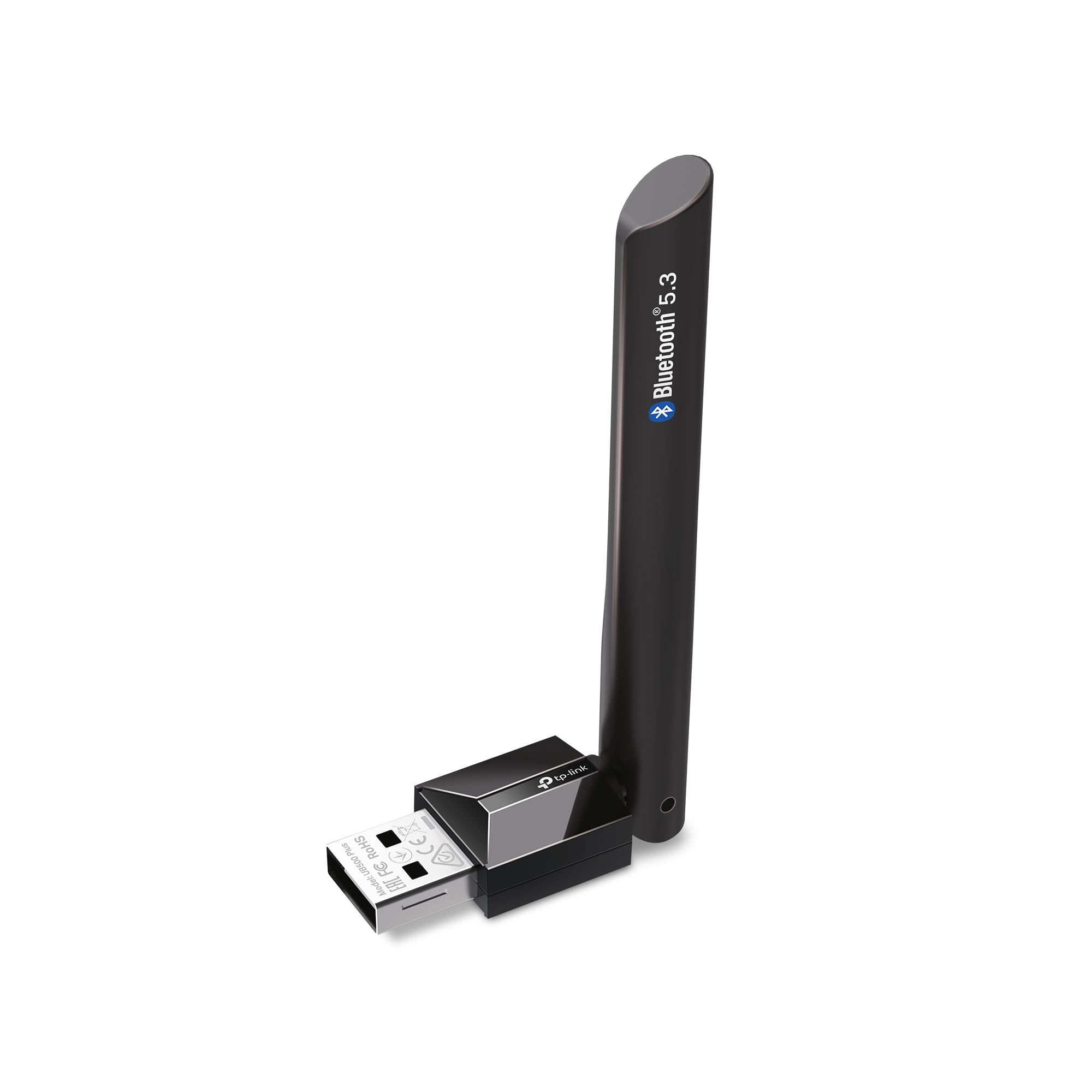
- Adjustable, multi-directional antenna that can be rotated to different positions.
- Windows 8.1, 10, and 11 plug-and-play setup when the computer is connected to the internet.

Pros
- Current Bluetooth 5.3 support alongside compatibility with several earlier Bluetooth versions.
- Adjustable antenna offers more positioning flexibility than a fixed orientation.
Consider before buying
- Windows 7 setup requires downloading a driver, adding a step for users on that operating system.
- The stated speed and coverage comparisons are maximums relative to Bluetooth 4.0, so they should not be treated as guaranteed results in every PC setup.
Read the full review summary
The UB500 Plus combines Bluetooth 5.3 with backward compatibility for versions 4.2, 4.0, 3.0, 2.1, 2.0, and 1.1.
Its adjustable, multi-directional antenna gives you room to change the adapter’s orientation, which may be useful when a desktop tower or its USB port sits in an awkward position.
Plug-and-play setup is described for Windows 8.1, 10, and 11 when the computer has an internet connection; Windows 7 requires a separate driver.
This makes it a sensible candidate for a Windows PC that needs Bluetooth for devices such as a keyboard or mouse, while buyers with older systems should confirm the driver process before choosing it.
The buying factors
TP-Link UB500 Plus Scorecard
Editorial scores reflect listed features and buyer fit; they are not laboratory measurements or customer ratings.
Bluetooth version support
Bluetooth 5.3 support and backward compatibility across several earlier versions make it a flexible option for a PC connecting with a range of Bluetooth devices.
Antenna flexibility
The multi-directional antenna can be rotated and adjusted, giving buyers some control over its position and reception setup.
Windows setup
Plug-and-play use is described for Windows 8.1, 10, and 11 with an internet connection; Windows 7 involves an extra driver step.
Device versatility
The product is intended to add Bluetooth to a non-Bluetooth PC and is presented for peripherals including keyboards and mice.
Range and speed claims
The product description gives comparative maximums versus Bluetooth 4.0, but actual results will depend on the setup and environment.
Older-system convenience
Windows 7 support is included, but the separate driver requirement makes setup less direct than on the listed plug-and-play versions.
Key Features and Specifications of TP-Link UB500 Plus
- Bluetooth 5.3 with EDR technology and backward compatibility with Bluetooth 4.2, 4.0, 3.0, 2.1, 2.0, and 1.1.
- Designed to add Bluetooth capability to a non-Bluetooth desktop or laptop.
- Adjustable, multi-directional antenna that can be rotated to different positions.
- Windows 8.1, 10, and 11 plug-and-play setup when the computer is connected to the internet.
- Windows 7 support with a separately downloaded driver.
- Includes Bluetooth Low Energy technology.
Pros and Cons of TP-Link UB500 Plus
Pros
- Current Bluetooth 5.3 support alongside compatibility with several earlier Bluetooth versions.
- Adjustable antenna offers more positioning flexibility than a fixed orientation.
- Setup is described as plug and play for Windows 8.1, 10, and 11 with internet access.
- Bluetooth Low Energy and EDR are included for a mix of compatible device and data needs.
Consider before buying
- Windows 7 setup requires downloading a driver, adding a step for users on that operating system.
- The stated speed and coverage comparisons are maximums relative to Bluetooth 4.0, so they should not be treated as guaranteed results in every PC setup.
- The setup instructions call for an internet connection during plug-and-play installation on Windows 8.1, 10, and 11.
Who Should Buy TP-Link UB500 Plus?
Good fit
Consider the UB500 Plus if your Windows desktop or laptop lacks Bluetooth and you want an adapter with Bluetooth 5.3 support for everyday peripherals.
Its backward compatibility is useful when you also need to connect with devices using older Bluetooth versions.
The adjustable antenna makes this a particularly reasonable choice when the USB port’s orientation is inconvenient or you want the option to reposition the adapter.
Before buying, match the setup steps to your Windows version: the described plug-and-play route requires internet access, while Windows 7 needs a driver download.
Who should skip it
Look elsewhere if your PC is not running one of the listed Windows versions, or if you need a setup that does not depend on an internet connection for plug-and-play installation. Confirm operating-system and driver compatibility before purchasing.
Skip it if you need guaranteed range or transfer speeds for a specific room layout or task. The stated improvements are maximum comparisons with Bluetooth 4.0, not a promise of measured performance in your environment.
How the TP-Link UB500 Plus Fits a Windows PC
Bluetooth version and older peripherals
Bluetooth 5.3 support gives the adapter a current version baseline, while backward compatibility extends its stated reach to earlier standards from 4.2 down to 1.1.
That helps when a PC needs to connect with peripherals from different generations, though a device still needs to be compatible with Bluetooth and suitable for the task.
Antenna position in a real setup
A multi-directional antenna that rotates and adjusts gives you a way to alter the adapter’s position rather than leaving it fixed in one direction.
This can be helpful when the computer’s USB port faces a wall or sits near other equipment; whether repositioning makes a noticeable difference depends on the surroundings and placement.
Setup depends on Windows version
For Windows 8.1, 10, and 11, the listed setup is plug and play when the computer is connected to the internet.
Windows 7 is supported through a driver that must be downloaded separately, so buyers on that system should plan for an extra installation step before relying on the adapter.
What the range and speed figures mean
The product describes up to twice the speed and four times the coverage compared with Bluetooth 4.0.
Those are upper-bound comparisons, not guaranteed outcomes; the right way to assess fit is to consider the connection distance and conditions in your own setup rather than assume the maximum will apply.
Alternatives to TP-Link UB500 Plus
One distinct alternative is included because it offers a useful Bluetooth adapter comparison; no second option is recommended.
Bluetooth Network Adapters alternative
3,000+ ratings
Read Amazon ReviewsSABRENT BT-UB40 USB Bluetooth 4.0 Micro Adapter
Choose the TP-Link if Bluetooth 5.3 support and antenna adjustment suit your PC setup. Consider the SABRENT if Bluetooth 4.0 capability covers your needs and you prefer a micro adapter for the listed connection uses.
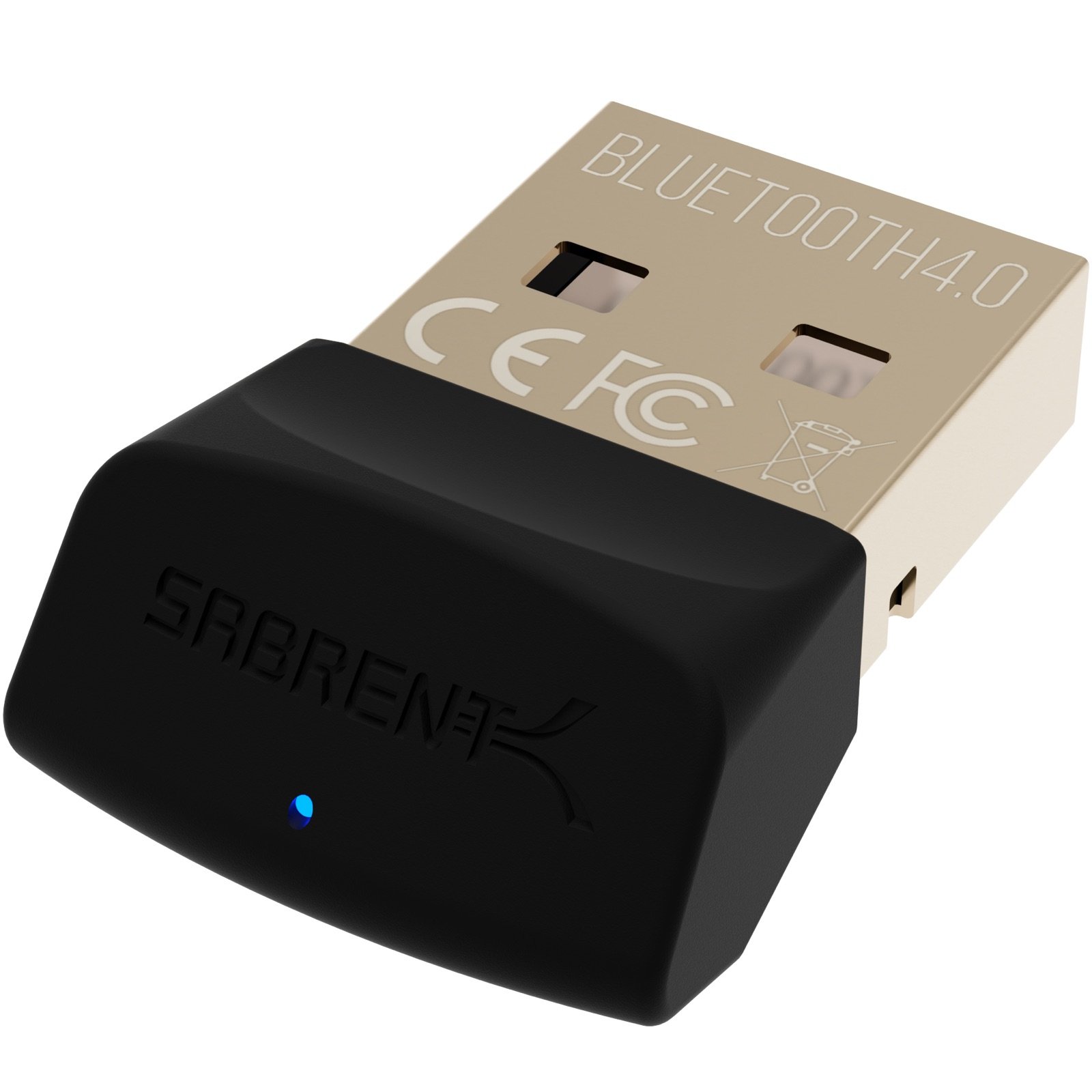
- The SABRENT BT-UB40 is a Bluetooth 4.0 Class 2 adapter with Low Energy technology and compatibility with Bluetooth 3.0, 2.1, 2.0, and 1.1.
- Its described uses include connecting a headset or linking a laptop with a cellphone.
- The TP-Link UB500 Plus supports Bluetooth 5.3, includes an adjustable multi-directional antenna, and lists plug-and-play setup for Windows 8.1, 10, and 11 with internet access.
Is TP-Link UB500 Plus Worth It?
The TP-Link UB500 Plus is worth considering for Windows PC owners who want to add Bluetooth with support for version 5.3, older Bluetooth standards, and an adjustable antenna.
Its setup is most straightforward on Windows 8.1, 10, or 11 with an internet connection.
Check the driver requirement if you use Windows 7, and treat the stated speed and coverage gains as maximum comparisons rather than guaranteed results.
If those conditions fit your setup, the UB500 Plus is a practical Bluetooth upgrade for everyday compatible peripherals.
Your review at a glance
1,000+ ratings
Read Amazon ReviewsTP-Link UB500 Plus
A practical fit for Windows PC owners who want Bluetooth 5.3 support and an adjustable antenna for flexible placement.
- Bluetooth 5.3 with EDR technology and backward compatibility with Bluetooth 4.2, 4.0, 3.0, 2.1, 2.0, and 1.1.
- Designed to add Bluetooth capability to a non-Bluetooth desktop or laptop.
- Adjustable, multi-directional antenna that can be rotated to different positions.
- Windows 8.1, 10, and 11 plug-and-play setup when the computer is connected to the internet.